‘Ecological Illiteracy’: Congress Intensifies Opposition to ₹72,000 Crore Great Nicobar Island Project
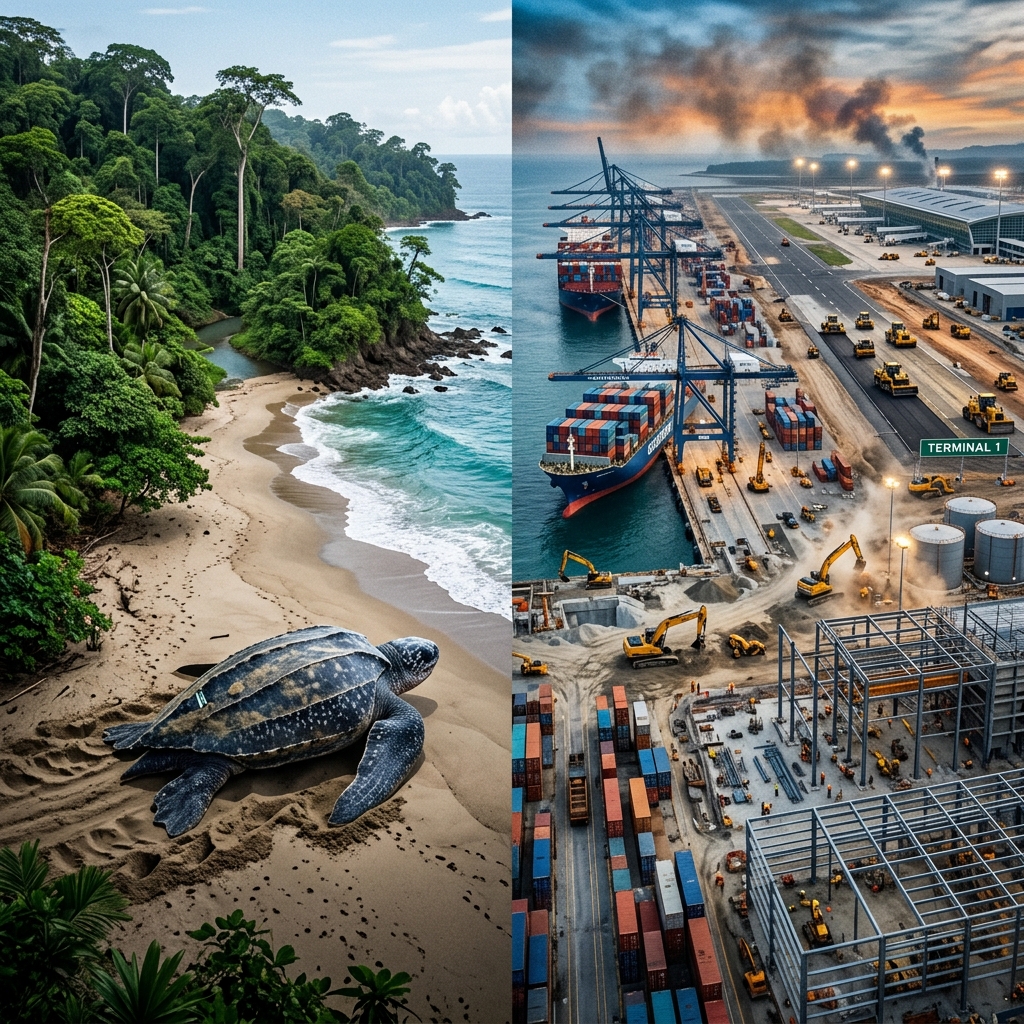
New Delhi, May 3, 2026 — The battle over the future of the Great Nicobar Island has reached a fever pitch as the Indian National Congress (INC) formally called for a full parliamentary debate on the government’s flagship ₹72,000 crore development project. Following a high-profile visit by Leader of the Opposition Rahul Gandhi to the island last week, the party has slammed the initiative as "environmentally catastrophic" and "socially irresponsible."
The Strategic vs. The Ecological
The Great Nicobar Island Development Project aims to transform the pristine island into a strategic maritime hub, featuring an international transshipment terminal, a greenfield airport, a power plant, and a township. The government argues the project is vital for India’s national security and its "Act East" policy, positioning India as a dominant force in the Malacca Strait.
However, senior Congress leader Jairam Ramesh has labeled the government’s compensatory afforestation plan—which proposes planting trees in Haryana to offset the loss of tropical rainforests in the Andamans—as "ecologically illiterate."
"You cannot replace a million-year-old tropical ecosystem and the nesting sites of the Giant Leatherback turtle with a plantation in a completely different climatic zone," Ramesh said in a press conference today.
Concerns Over Tribal Rights
The opposition has also raised serious questions regarding the "informed consent" of the indigenous Shompen and Nicobarese communities. Allegations have surfaced that the Nicobarese community was pressured into signing No-Objection Certificates (NoCs) for forest diversion, which they subsequently withdrew.
The Congress party has highlighted three critical areas of concern:
- Biodiversity Loss: The destruction of 130 sq km of primary forest.
- Seismic Risks: The island’s location in a high-risk seismic zone (Zone V), making large-scale infrastructure vulnerable to tsunamis.
- Lack of Transparency: Claims that environmental impact assessments (EIA) were rushed and that independent experts were sidelined.
Government Response: Development is Non-Negotiable
The Ministry of Ports, Shipping, and Waterways has defended the project, stating that it incorporates "world-class" environmental safeguards. Government officials maintain that no tribal communities will be relocated and that the project is essential for reducing India’s dependence on foreign transshipment ports like Colombo and Singapore.
As the political divide widens, the project is expected to be a major flashpoint in the upcoming monsoon session of Parliament.