Fragile Calm: Trump Extends Iran Ceasefire Amid "Shoot and Kill" Orders in the Strait of Hormuz
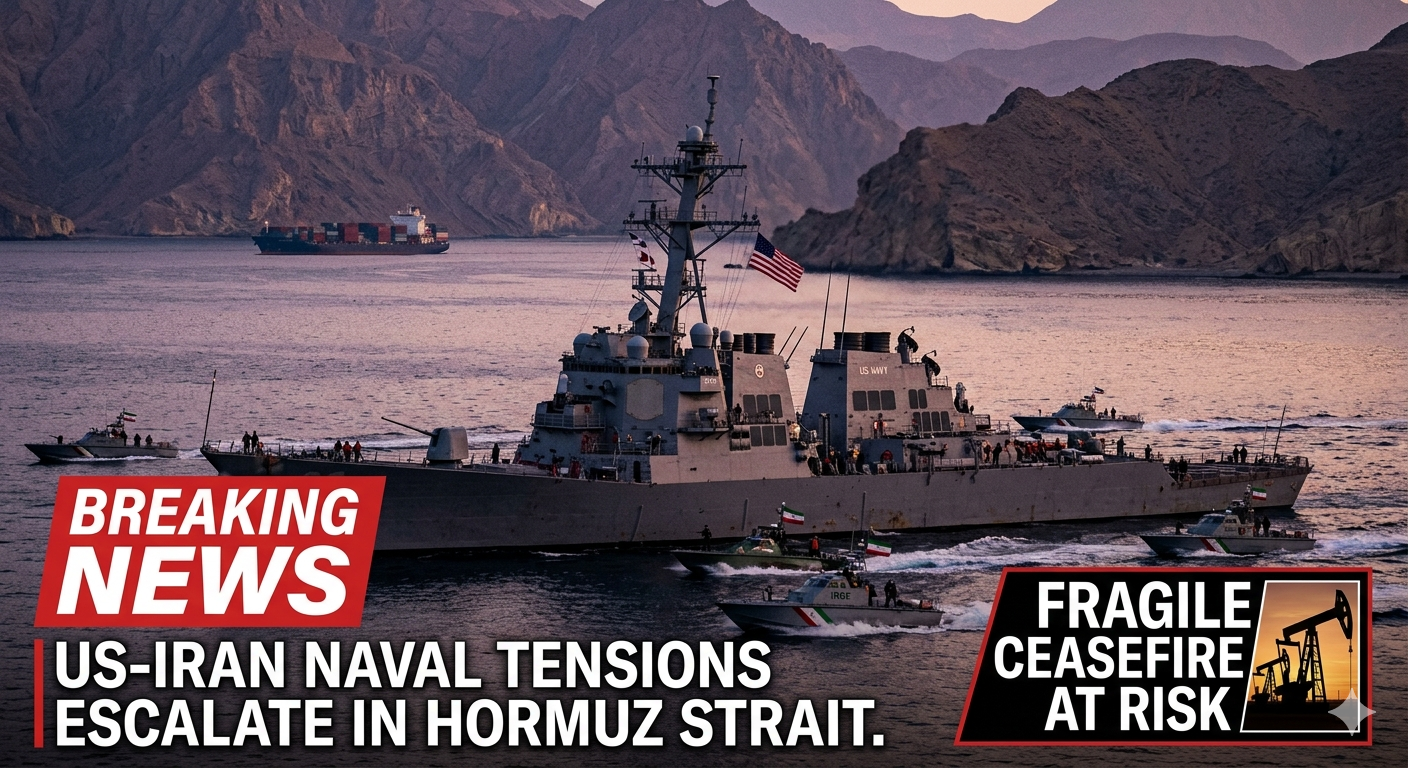
TEHRAN/WASHINGTON — The world watches with bated breath as the five-week-long conflict between the United States, Israel, and Iran enters a precarious new phase. On Thursday, U.S. President Donald Trump announced an indefinite extension of the existing ceasefire just hours before its expiration, while simultaneously issuing a chilling "shoot and kill" directive to the U.S. Navy in response to escalating maritime provocations.
The conflict, which has paralyzed global energy markets and reshaped Middle Eastern geopolitics, remains in a state of "fractured truce." While large-scale aerial bombardments have paused, the battle for control of the world’s most vital oil chokepoint—the Strait of Hormuz—is intensifying.
Maritime Brinkmanship: The Battle for the Strait
The most immediate threat to the ceasefire comes from the Persian Gulf. Following reports that the Islamic Revolutionary Guard Corps (IRGC) has been deploying sea mines to "choke" the waterway, President Trump issued a direct order today.
"I have instructed the United States Navy to shoot and kill any and all Iranian small boats if they harass our ships or attempt to close the Strait," Trump declared in a statement from the White House.
This escalation follows a series of high-seas seizures:
The Touska Incident: Earlier this week, U.S. forces seized the Iranian-flagged cargo ship Touska, citing violations of maritime sanctions.
Iranian Retaliation: In a tit-for-tat move, the IRGC seized two container ships—one operated by MSC—near the Strait on Wednesday, taking approximately 40 crew members to the port of Bandar Abbas.
Mine-Clearing Operations: Italian minesweepers are reportedly en route to the region to assist in clearing the waterway, a process expected to take up to four weeks.
A Leadership in Flux: The "Fractured" Iranian Proposal
The indefinite ceasefire extension is designed to give Pakistani mediators in Islamabad more time to broker a permanent peace deal. However, the White House has signaled that the ball is firmly in Tehran's court.
U.S. officials, including Vice President J.D. Vance, have postponed planned diplomatic trips to Pakistan, citing a lack of a "unified proposal" from the Iranian leadership. Intelligence reports suggest deep internal divisions within the Islamic Republic following the reported death of Supreme Leader Ali Khamenei earlier in the conflict. Hardline factions are reportedly clashing with pragmatists over the terms of the 10-point peace plan currently on the table.
The Economic Fallout: Oil Markets at $100
The war has triggered a global economic shockwave. After a brief dip in prices last week when the Strait was partially reopened, Brent crude has surged back toward $100 per barrel following the recent mine-laying reports.
In Iran, the domestic economy is in freefall. The Tehran Stock Exchange has remained shuttered for eight weeks, and the cost of essential medicines has soared, creating a burgeoning humanitarian crisis that the UN is struggling to address.
What Happens Next? As the U.S. maintain its naval blockade and Iran continues its "asymmetric" maritime tactics, the risk of a "miscalculation" remains at an all-time high. The UN Secretary-General has welcomed the ceasefire extension but warned that without a formal agreement on maritime security, the "fragile calm" could evaporate in a single afternoon. The world now waits to see if the IRGC will heed the "shoot and kill" warning or if the waters of the Gulf will once again turn into a theater of active combat.