Geopolitical Tightrope: India Navigates Chabahar Port Future as U.S. Sanctions Waiver Expires
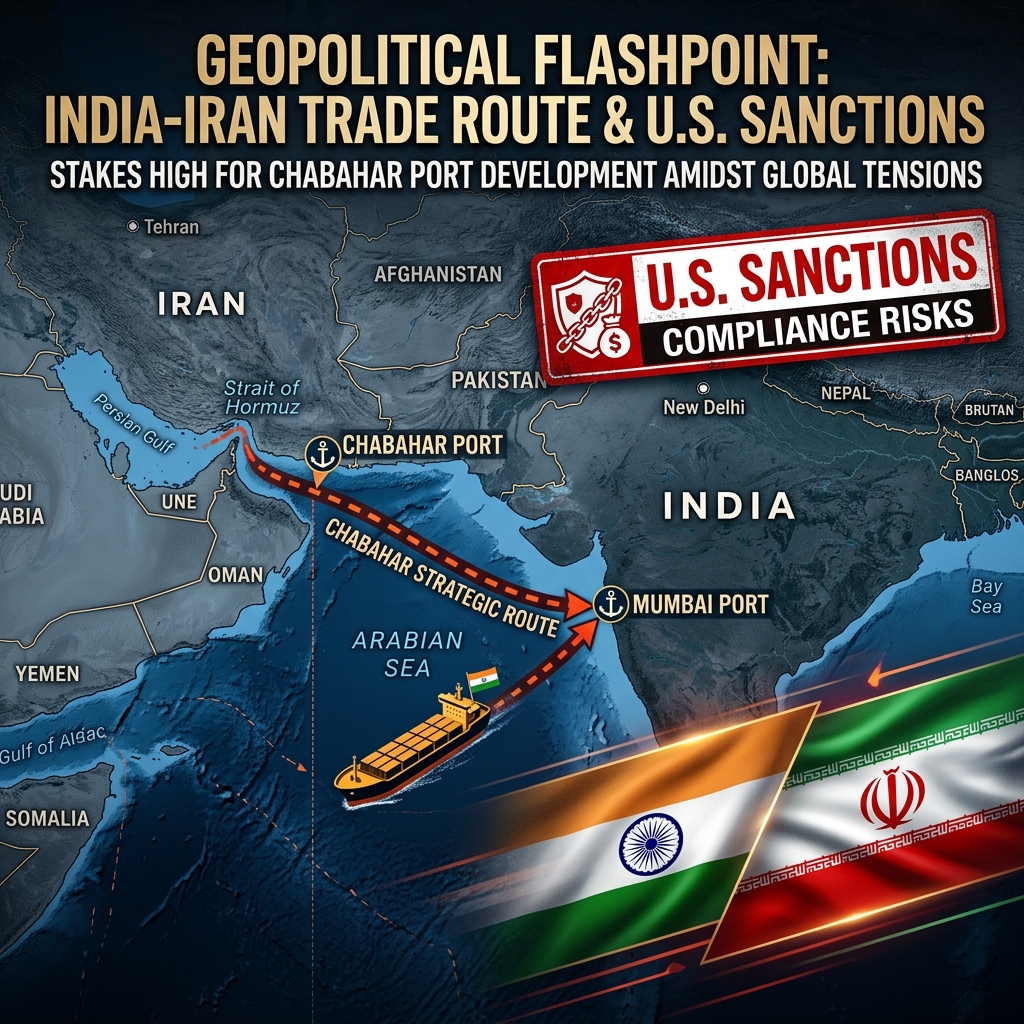
New Delhi/Tehran, May 3, 2026 — India’s strategic "gateway to Central Asia"—the Chabahar Port—faces its most significant challenge yet as a critical U.S. sanctions waiver protecting the project expired on April 26, 2026. The expiration, coupled with escalating maritime tensions in the Middle East, has placed New Delhi in a delicate diplomatic position as it attempts to balance its strategic interests in Iran with its partnership with the United States.
The Sanctions Deadline
Since 2018, India has operated the Shahid Beheshti Terminal at Chabahar Port under a specific U.S. waiver. However, with the waiver’s expiration last week, Indian operations managed by India Ports Global Limited (IPGL) now face the threat of secondary sanctions.
The Ministry of External Affairs (MEA) confirmed today that high-level discussions are "ongoing" with both Washington and Tehran. While India seeks a permanent solution or a long-term extension, the current geopolitical climate—marked by naval blockades and vessel detentions in the Strait of Hormuz—has made negotiations increasingly complex.
Impact on Trade and Energy
The uncertainty has already begun to ripple through bilateral trade:
- Energy Supply: Disruptions in the Strait of Hormuz have increased insurance premiums for Indian energy imports, particularly LPG and LNG shipments from the region.
- Agriculture: Exports of Indian Basmati rice and imports of Iranian dry fruits and apples have slowed as shipping lines become wary of docking at sanctioned terminals.
- Connectivity: The International North-South Transport Corridor (INSTC), which relies on Chabahar as a primary entry point, is seeing a temporary slowdown in new investments.
Strategic Alternatives
Reports suggest that India may explore a "management transfer" model, where operational control is handed over to a local entity to insulate Indian firms from direct U.S. penalties. However, such a move could undermine India’s long-term strategic control over the asset, which was intended to bypass Pakistan and provide a direct trade route to Afghanistan and Central Asia.
"India cannot afford to walk away from Chabahar," said a senior geopolitical analyst. "It is not just a port; it is a strategic pillar of India’s regional presence. However, the current 'sanctions-heavy' environment in 2026 makes its commercial viability a major question mark."